 |
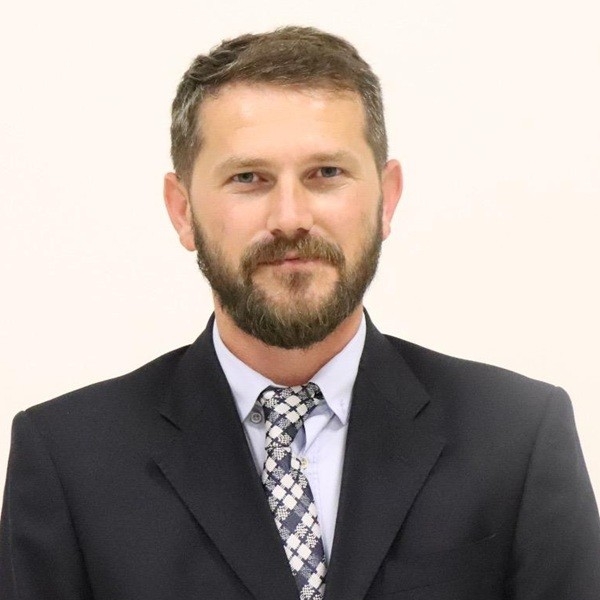
Assoc. Prof. Mustafa Yetim |
Dr. Mustafa Yetim is an Associate Professor at Eskişehir Osmangazi University and previously served as a Gulf and Levant expert at the Center for Middle Eastern Studies (ORSAM). He obtained his undergraduate degree in 2009 from Karadeniz Technical University, followed by a master’s degree from Sakarya University in 2011. His master’s thesis focused on “Turkey’s Middle East Policy between 2002 and 2010: Turkey’s Changing Perception in the Middle East.” Subsequently, he completed his PhD in 2016 at Ankara University with a thesis titled “Hezbollah within the Middle East and Lebanon Ground: A Neo-Weberian Perspective.” His research interests encompass topics such as Turkish Foreign Policy towards the Middle East, Turkey-Qatar relations, Hezbollah, Lebanon, and broader issues concerning the Middle East region. Between 2020-2024, he served as an editor for the monthly magazine, Middle East Analysis, published by Center for Middle Eastern Studies. |
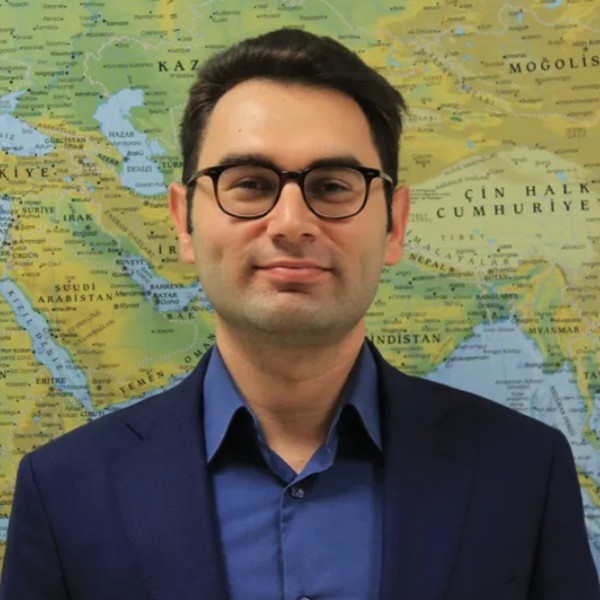 |
Dr. Mustafa Caner |
Dr. Mustafa Caner, assistant professor at Sakarya University Middle East Institute (ORMER), editor in chief of Kriter Magazine, and researcher at Foundation for Political, Economic and Social Research (SETA), studies Iranian politics, Turkey-Iran relations, and Turkey-Middle East relations. He took his master’s degree from Uludag University Public Administration Department. He received his Ph.D. from Sakarya University’s Middle East Institute’s Middle Eastern Studies program. From 2017 to 2018, he served as deputy director of Middle East Institute of Sakarya University. Mustafa Caner also teaches Turkey-Middle East relations, Turkish foreign policy, and political science at Sakarya University. Highlights in his career include participating in numerous congress, conferences, and symposiums related to Middle East politics, having a good number of publications in national and international journals, books and magazines, and being a researcher in a TUBITAK (Scientific And Technological Research Council of Turkey) project between (2016-2019). |
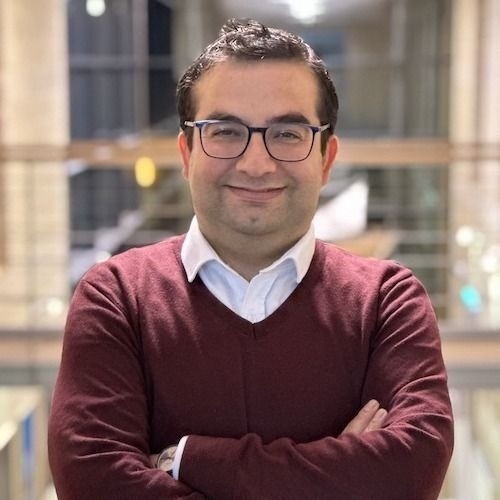 |
Hamdullah Baycar |
Hamdullah Baycar is an Assistant Professor in the Department of International Relations at Karadeniz Technical University. He received his PhD in 2023 from the University of Exeter Institute of Arab and Islamic Studies with a dissertation titled “Nationalism and Tolerance Discourse in the United Arab Emirates: Balancing Exclusive Belonging and Inclusive Non-Belonging.” He holds an MA from the Harvard University Center for Middle Eastern Studies and a BA in International Relations from Abant İzzet Baysal University Department of International Relations. In 2023, he was selected as one of the “40 Under 40” in the Middle East field by the Middle East Policy Council. As part of his academic training and research, he has conducted research visits in Tunisia, Jordan, China, the United Arab Emirates, Oman, Qatar, and Saudi Arabia. His academic work has been published in journals such as Identities, Religions, Digest of Middle East Studies, and Middle East Critique. He has also published analysis and commentary pieces in outlets including Carnegie Endowment for International Peace, The Washington Institute for Near East Policy, Newlines Institute, Middle East Eye, Gulf International Forum, and Arab Gulf States Institute in Washington. |
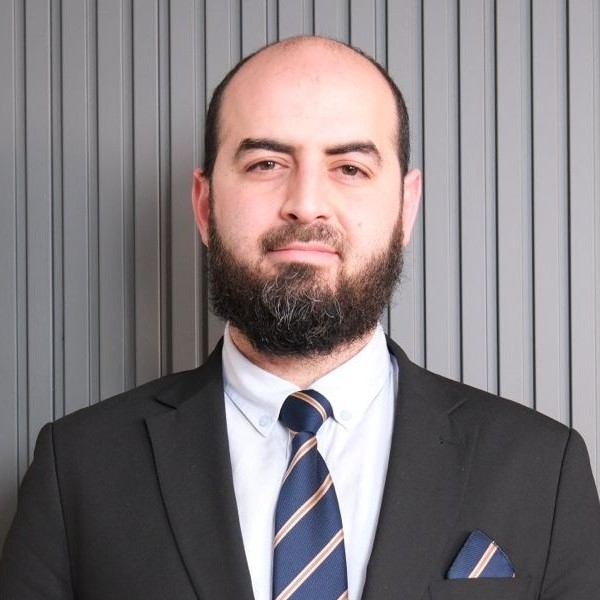 |
Mehmet Rakipoğlu |
Mehmet Rakipoğlu is an Associate Professor at Mardin Artuklu University, Department of Political Science, and a Post-Doctoral Researcher at the Institute of Arab and Islamic Studies, University of Exeter. He serves as Book Review Editor at Insight Turkey. His articles have been published in reputable journals such as Insight Turkey, Religions, Contemporary Review of the Middle East, All Azimuth, and Rouyah Turkiyah. He has authored and edited books on the Muslim Brotherhood, the Israel–Palestine conflict, and Saudi Arabia’s foreign policy. His research focuses on Turkish foreign policy, Gulf countries, Palestine, and Islamic movements. |
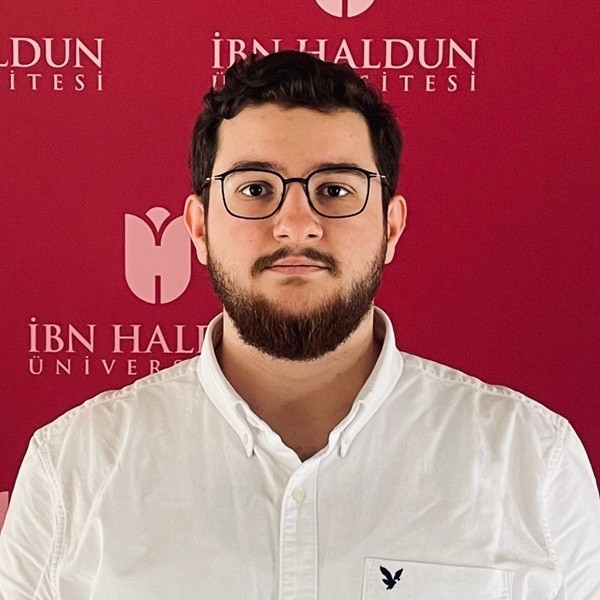 |
Cemaleddin Aslan |
Cemaleddin Aslan is a PhD candidate in the Department of Political Science and International Relations at Ibn Haldun University. He completed his undergraduate education at Istanbul Sabahattin Zaim University, during which he conducted research as an exchange student at the University of Malaya’s International and Strategic Studies program. He received his master's degree from the Atatürk Strategic Research and Graduate Education Institute (ATASAREN) at the National Defense University. As a Kuwait Government Arabic scholarship recipient, he studied Arabic at the Kuwait University Language Center from September 2024 to August 2025. His academic interests encompass identity construction, Arab nationalism, civil-military relations, and Middle Eastern politics. His book chapter titled “The Influence of Islam and Arabs on Malay Identity” has been published in the edited volume Malaysia Studies in Turkey – II. |
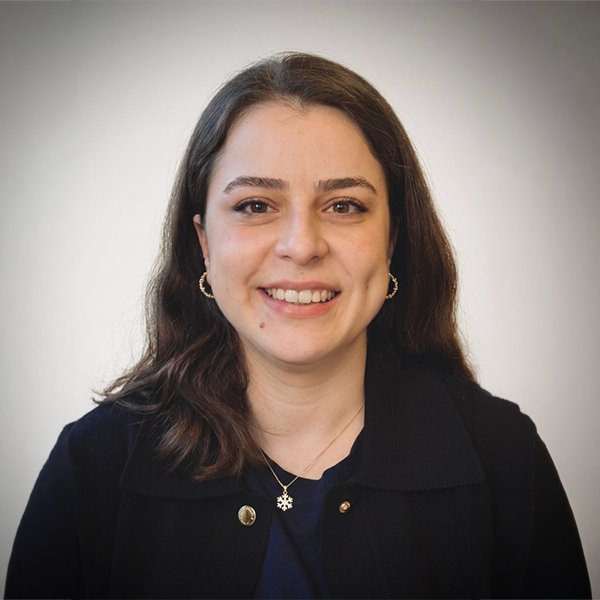 |
Rumeysa Ayverdi Varan |
Rumeysa Ayverdi Varan is a PhD Candidate and full-time Research Assistant at the Middle East Institute, Sakarya University. Currently, she is a visiting researcher under the Erasmus+ programme at Trinity College Dublin. Ayverdi Varan completed her undergraduate studies at the Department of International Relations at Sakarya University in 2016. She earned her master’s degree at the Middle East Institute with a thesis examining the mediator role of Oman in Middle Eastern regional crises. Ayverdi-Varan completed a one-year intensive Arabic program at Qatar University in 2019 to further deepen her regional expertise and language proficiency. During this period, she conducted field visits to various countries including Qatar, the United Arab Emirates and India. Her research focuses on international relations and foreign policy analysis in the Middle East, with a particular interest in the the Gulf politics. In her doctoral dissertation, she examines small state foreign policy transformation through the lens of role theory with a comparative analysis of the UAE and Qatar. |
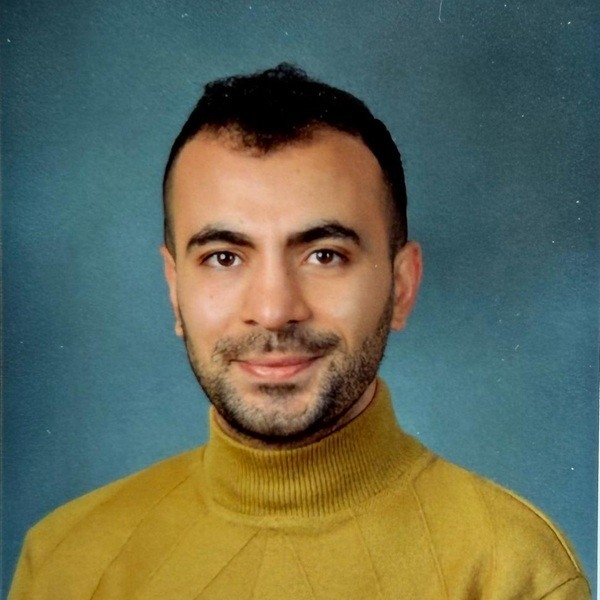 |
Huzeyfe Altıok |
Huzeyfe Altıok is a PhD candidate in Political Science at Georgia State University. His research focuses on international security, territorial conflicts, and coercion, with a particular interest in border ambiguities and their impacts on interstate disputes. He holds an MA in Gulf Studies from Qatar University, which provides a strong foundation for his regional focus on the Gulf. He has received advanced training in quantitative methods and causal inference, and his research engages with both theoretical and empirical approaches in comparative politics and international relations. In addition to his research, he has teaching experience in political science and aims to contribute to methodological training in the field. |