After the Ballots: The 2026 US Midterm Elections Discussed at Ibn Haldun University

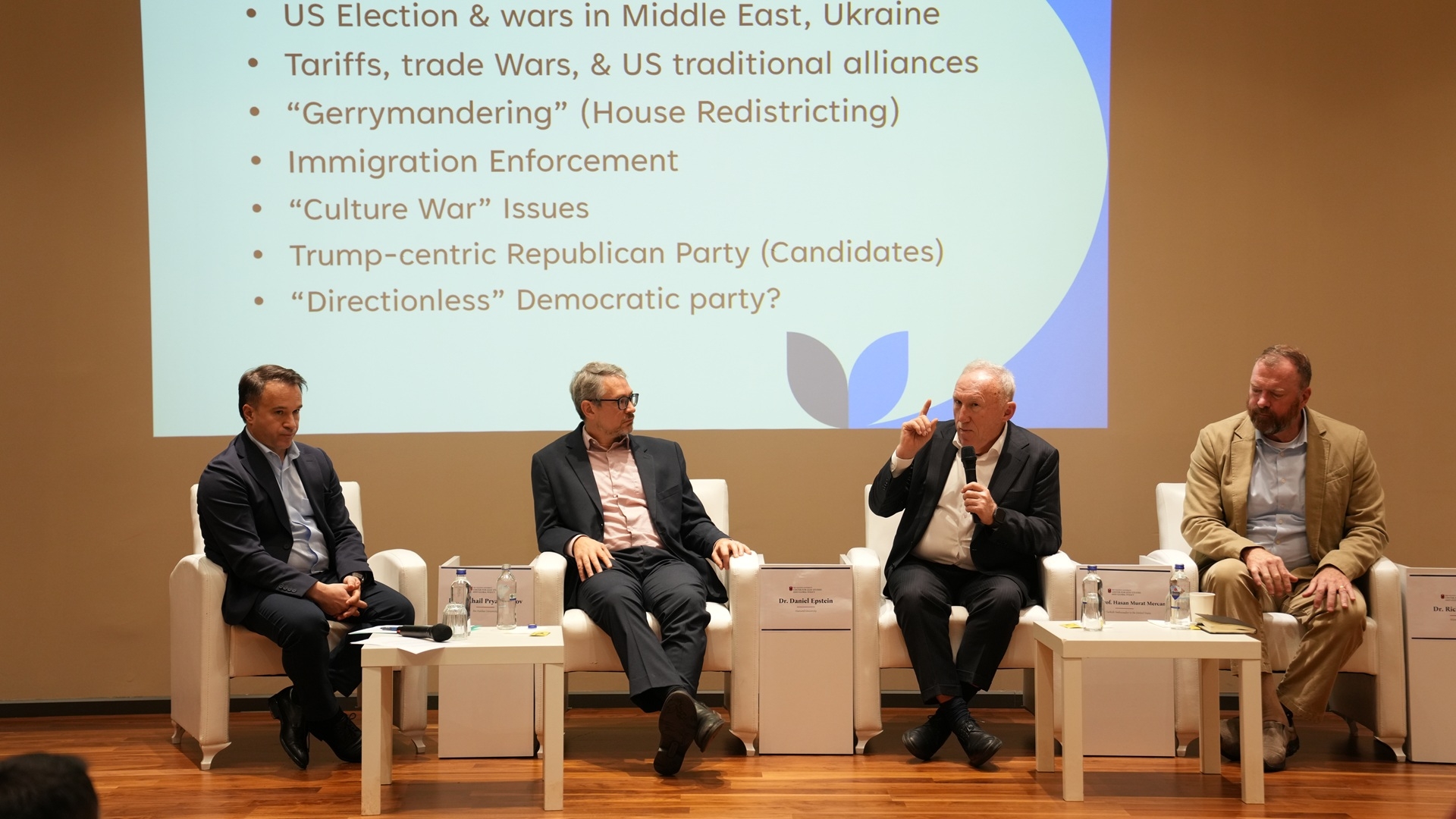
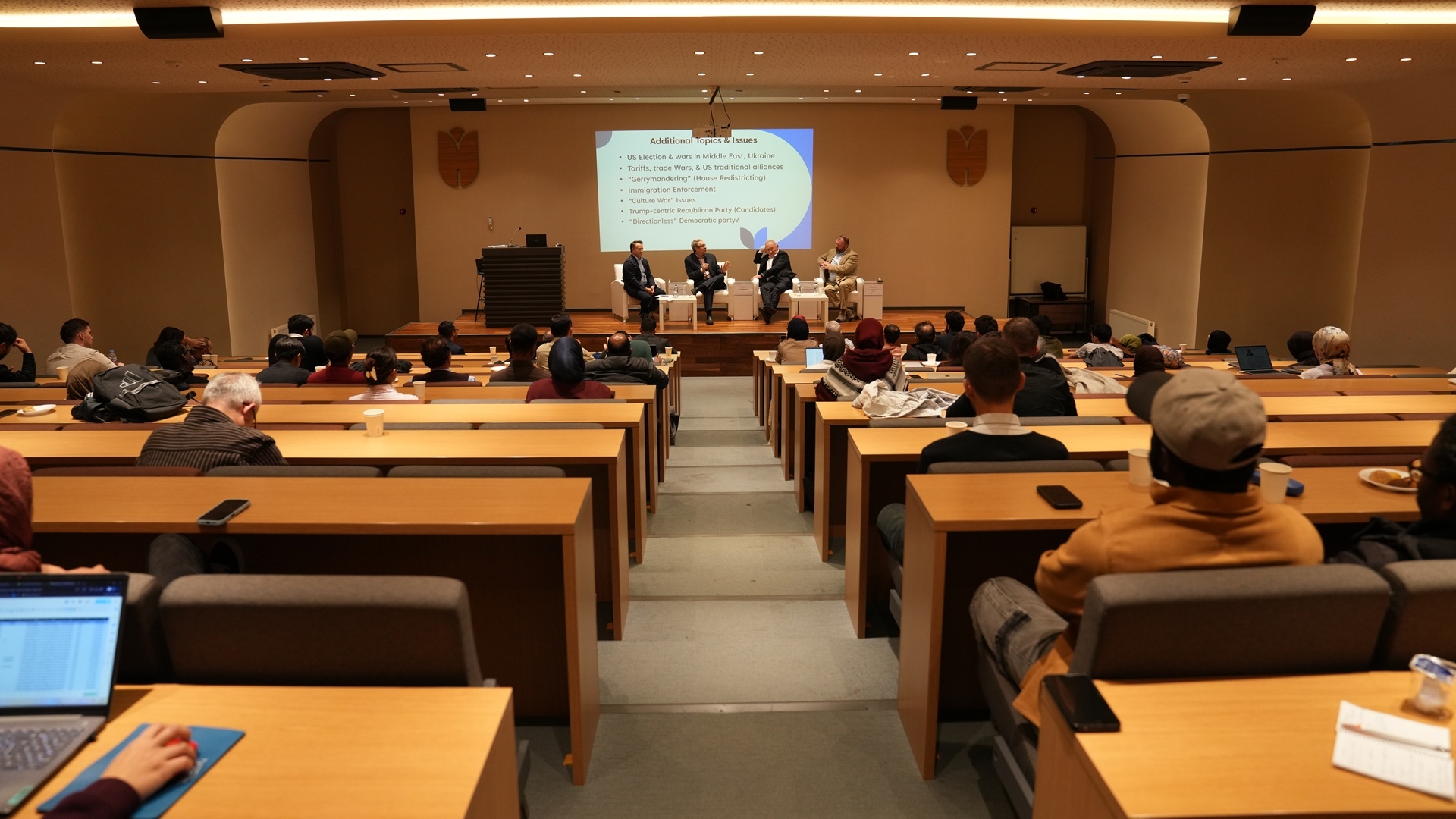
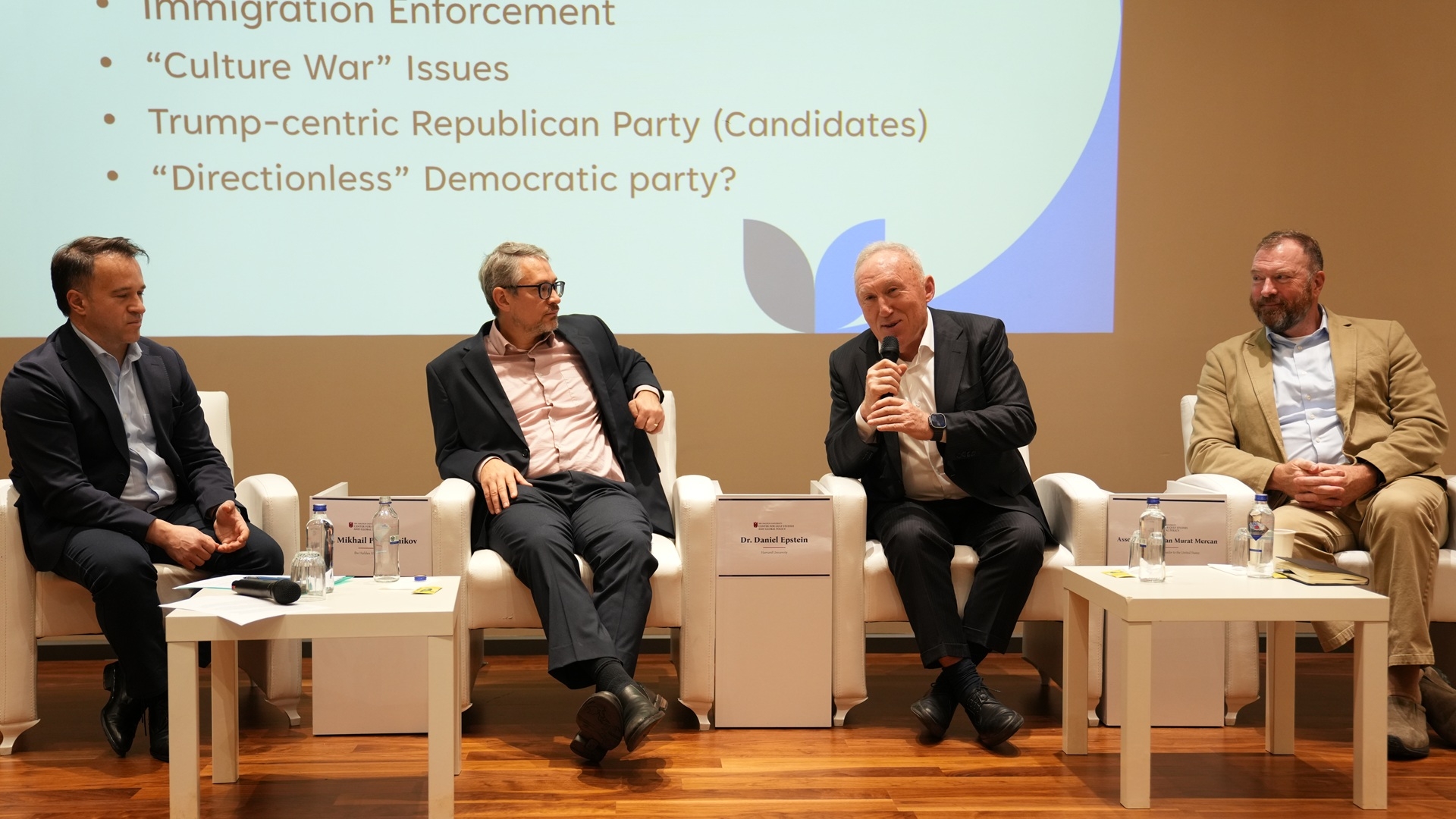
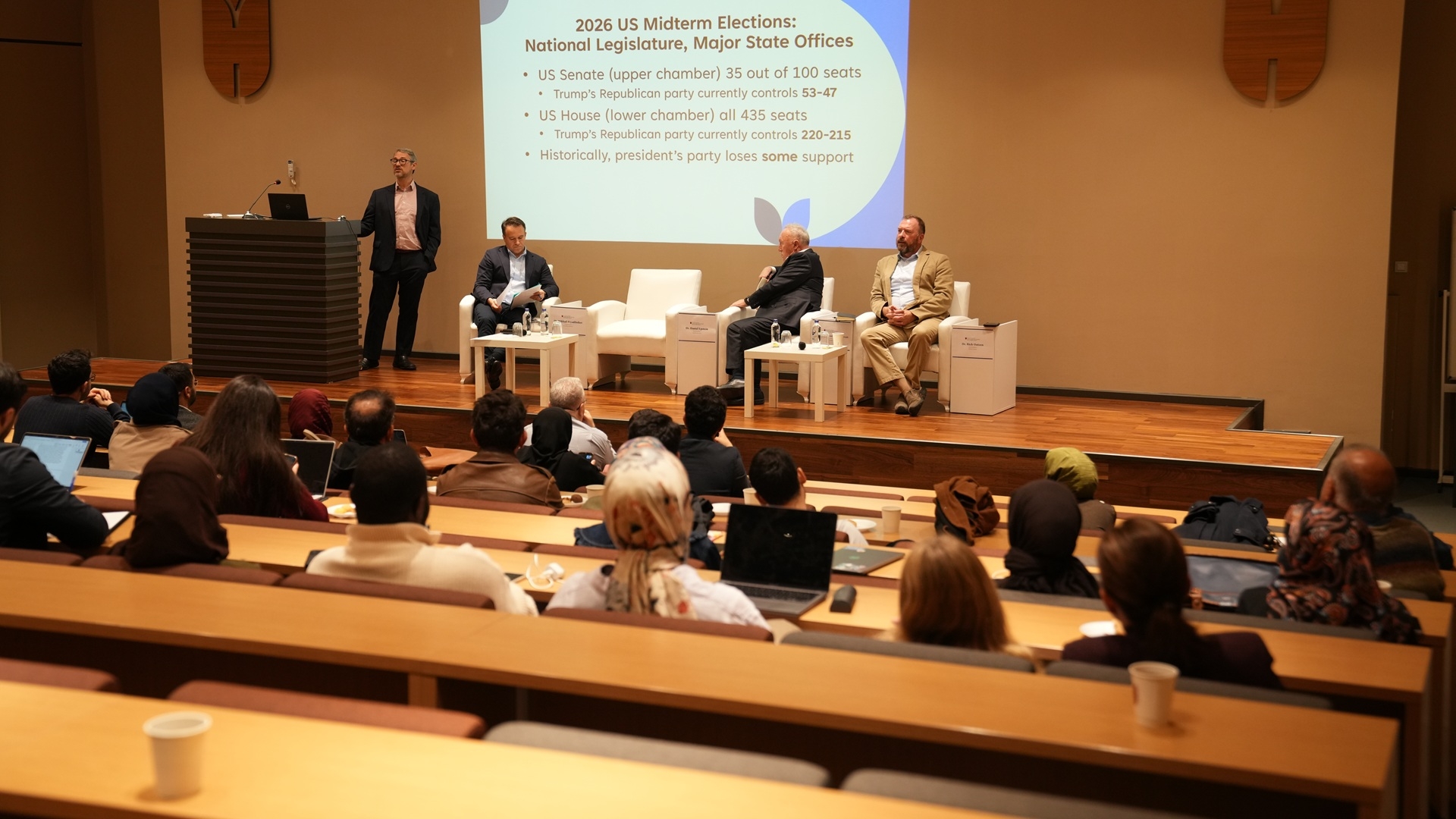
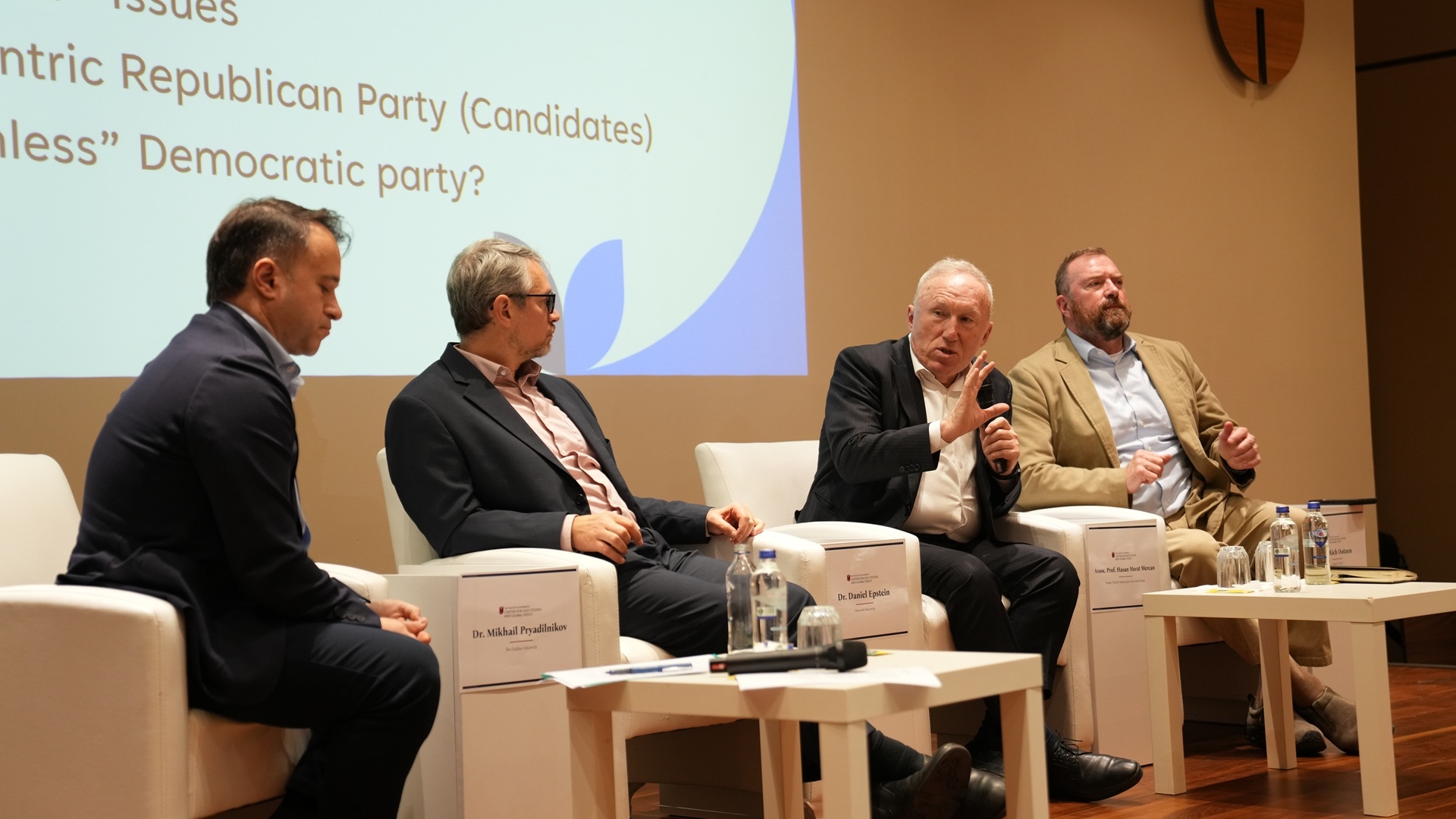
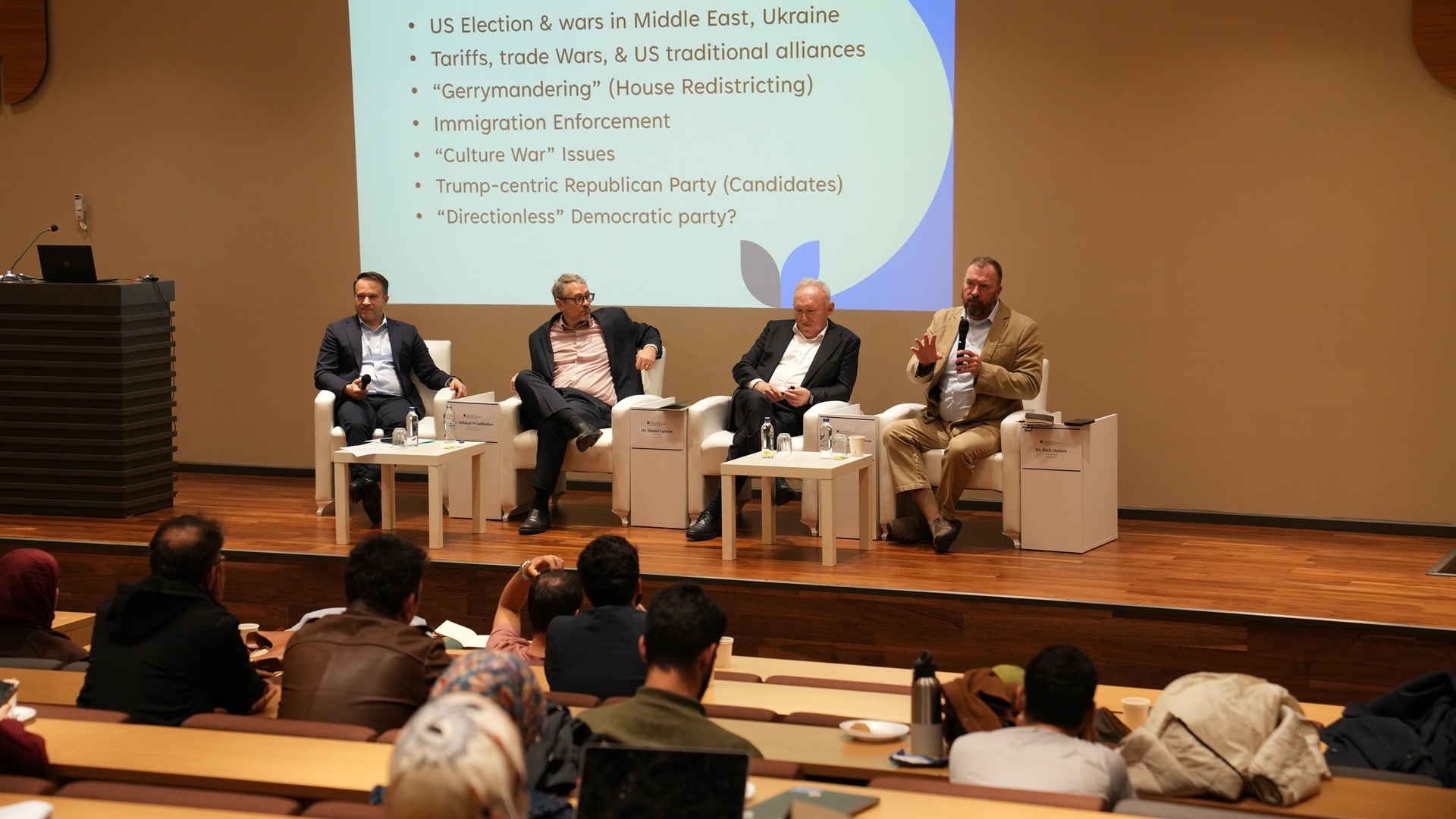
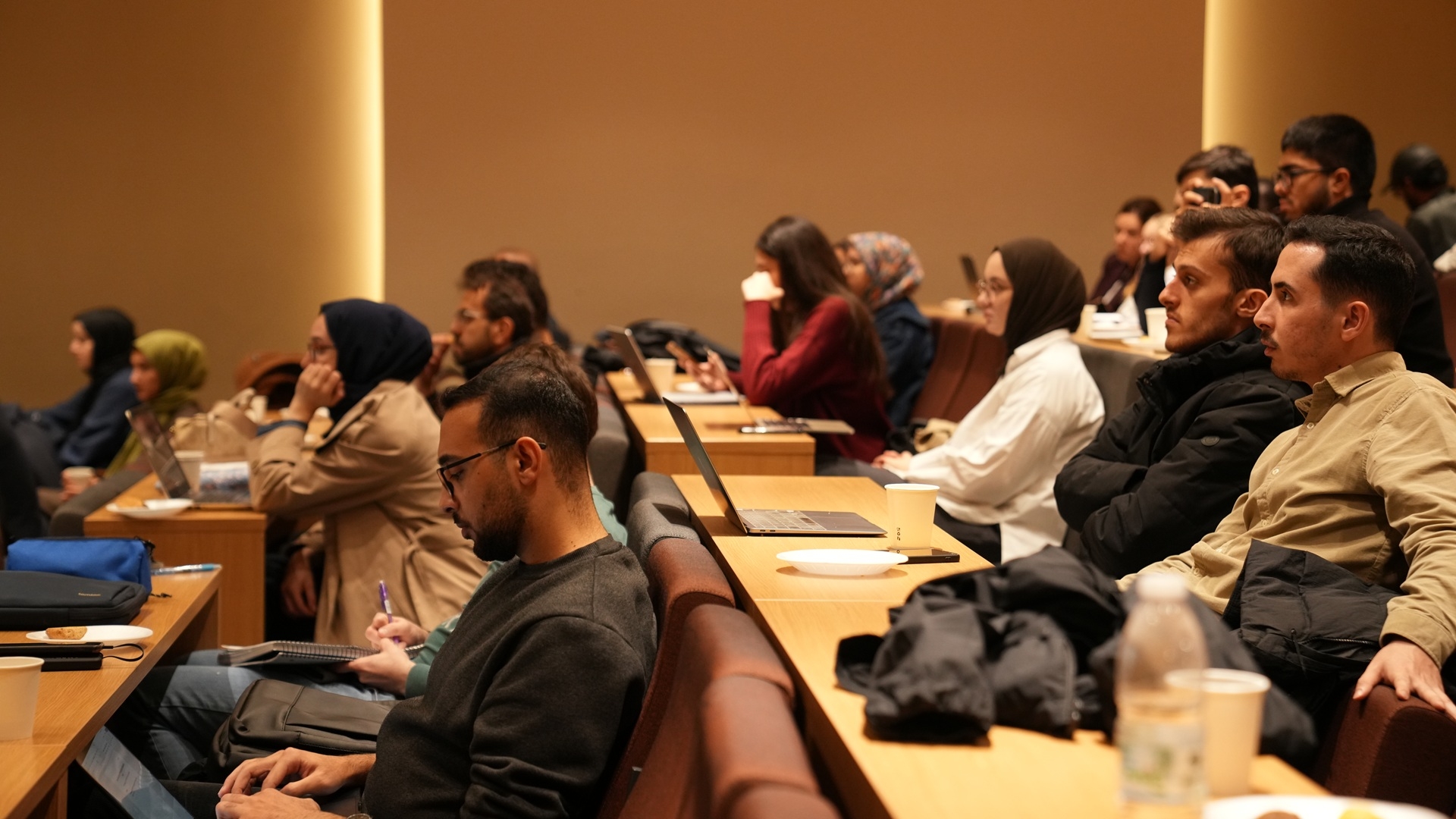
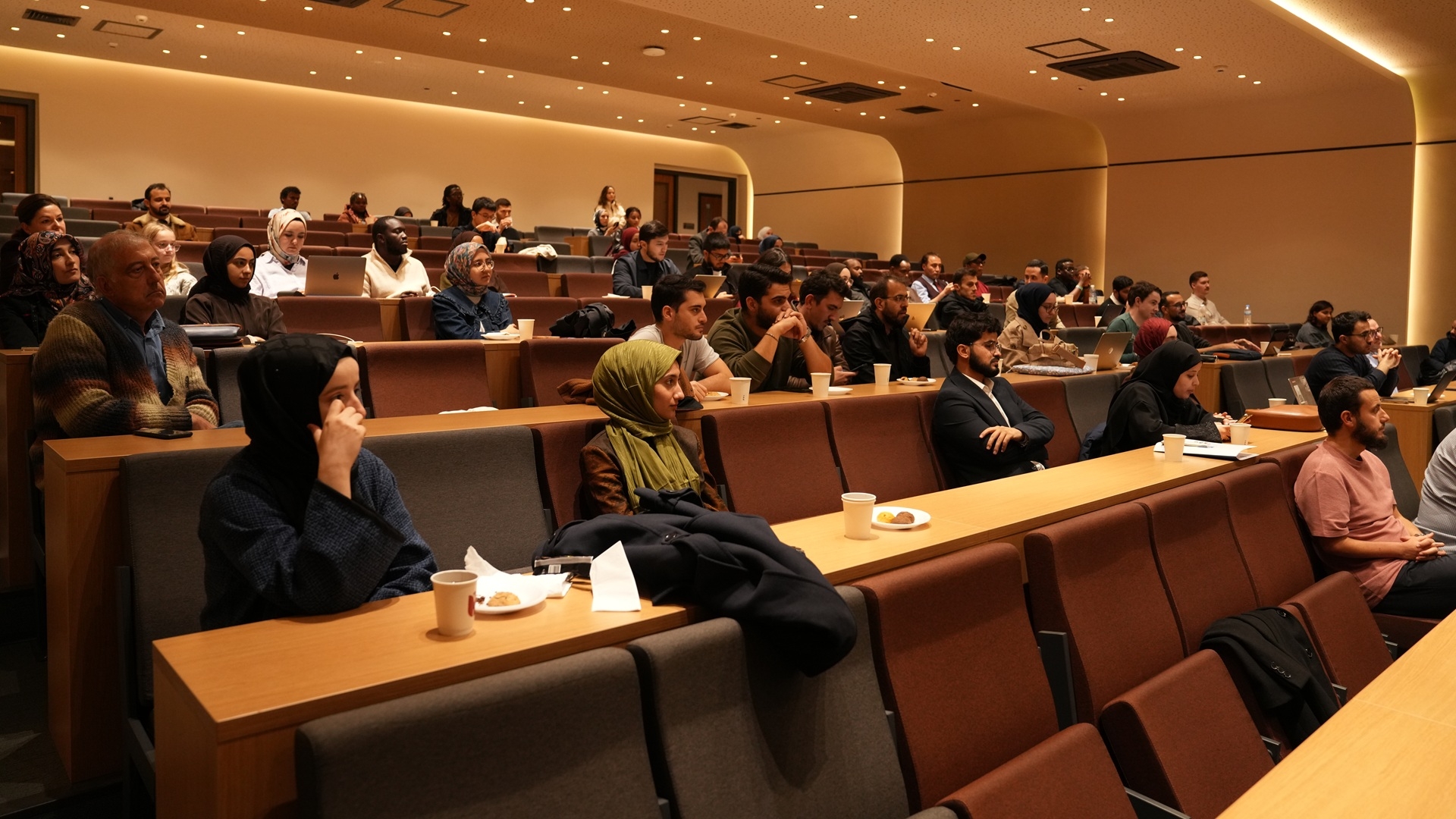
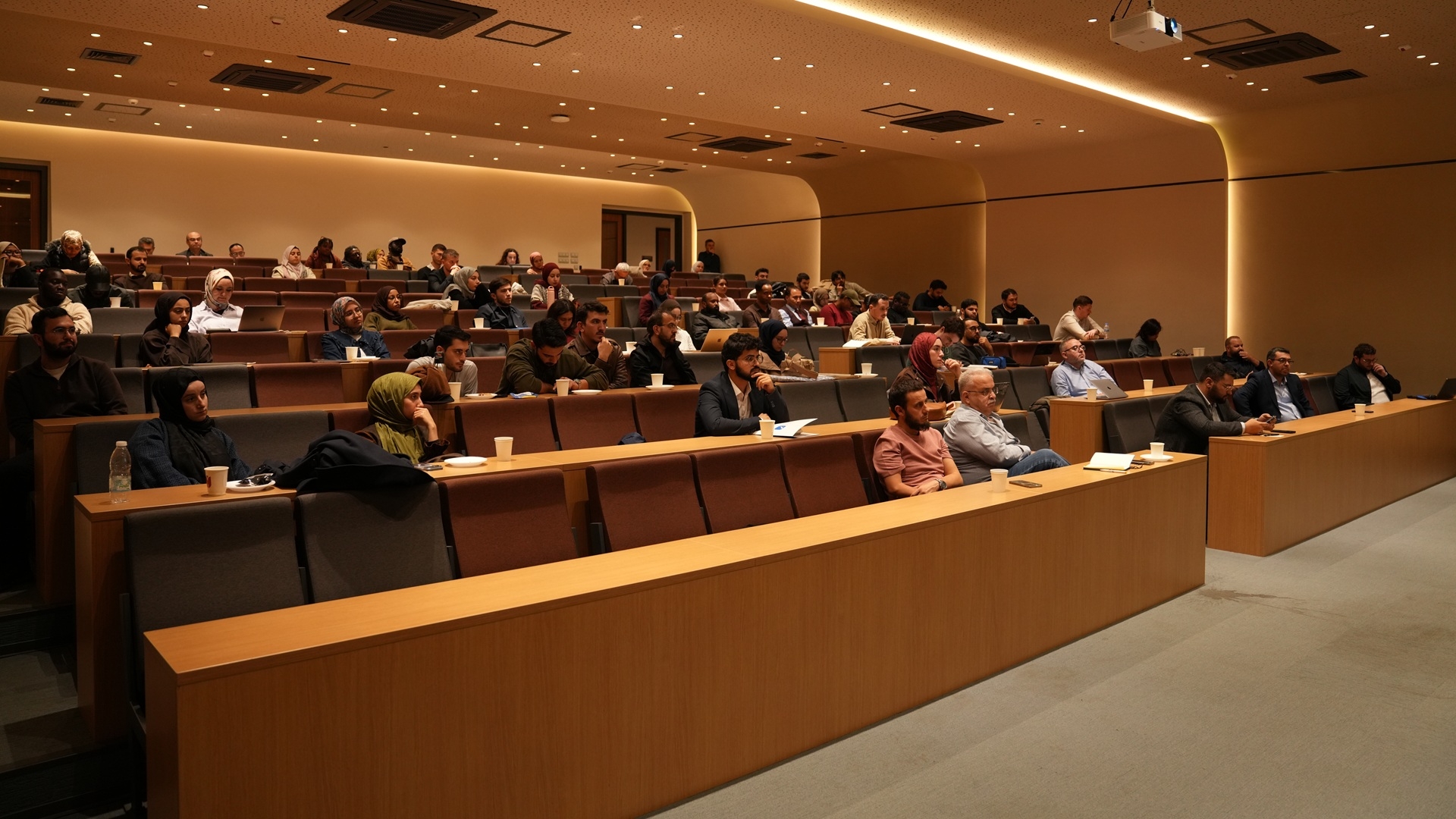
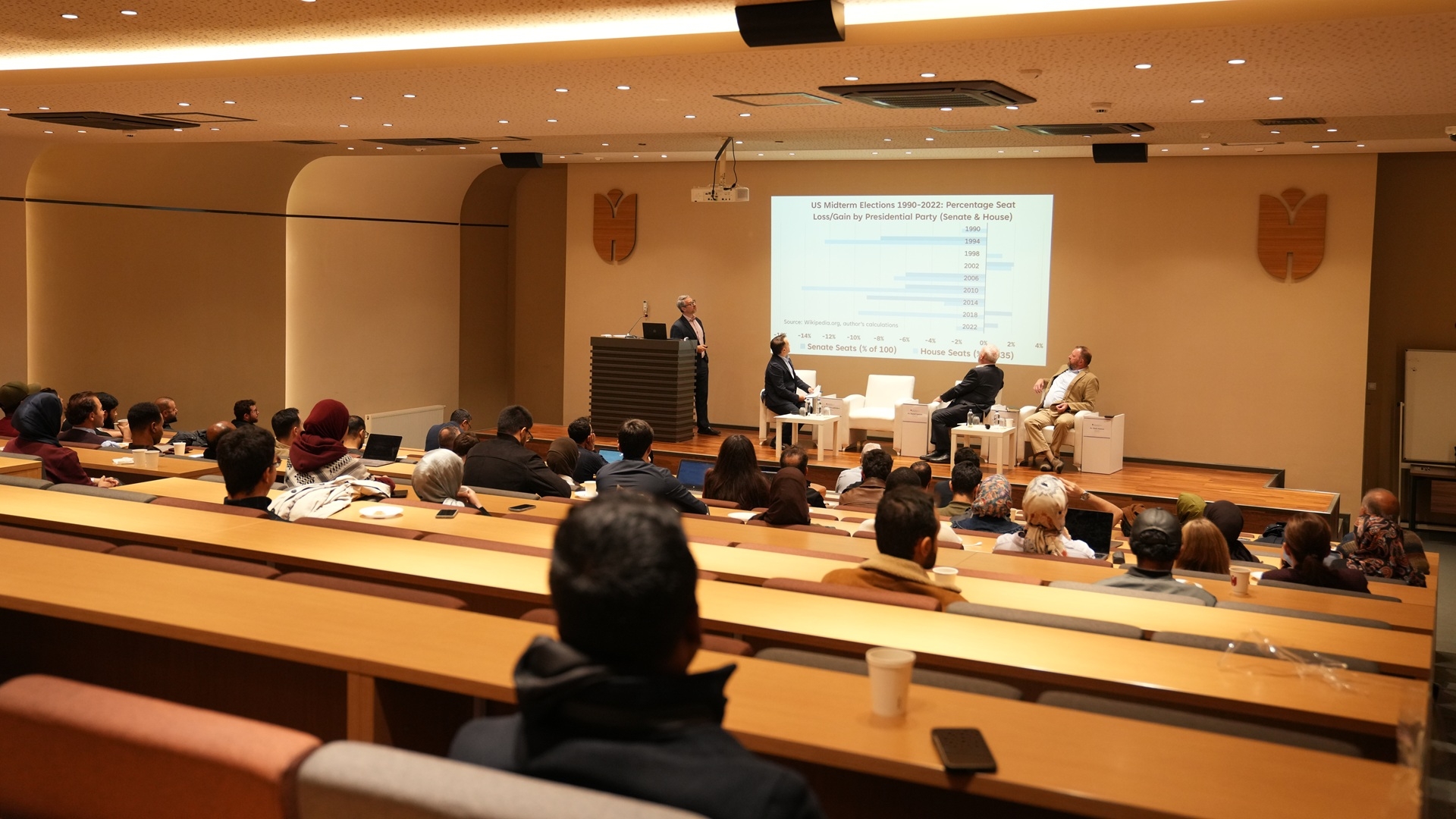
The panel on the 2026 U.S. midterm elections—moderated by Dr. Mikhail Pryadilnikov from our university and featuring speakers Dr. Daniel Epstein from Harvard University, former Ambassador to Washington Assoc. Prof. Hasan Murat Mercan, and Dr. Rich Outzen from the Atlantic Council—drew significant interest.
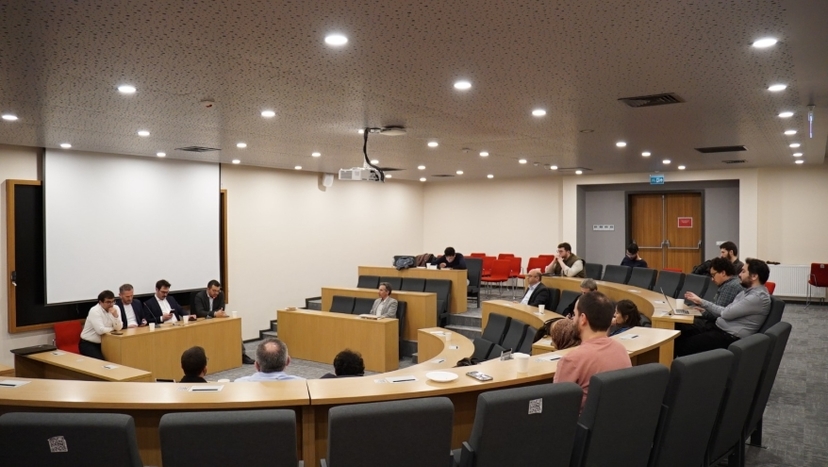
The panel “After the Ballots: What the 2026 Midterms Mean for America and the World” took place on 5 November 2026 at the Ömer Faruk Harman Conference Hall. It was co-organized by Ibn Haldun University’s Center for Gulf Studies and Global Policy and its Department of Political Science and International Relations. Dr. Mikhail Pryadilnikov of Ibn Haldun University moderated the panel. The speakers were Dr. Daniel Epstein of Harvard University, Assoc. Prof. Dr. Hasan Murat Mercan, former Turkish Ambassador to Washington, and Dr. Rich Outzen of the Atlantic Council.
The panel took place two days after the elections. It came right after Vice President JD Vance tied the Republican defeat directly to the Iran war. His remarks showed that the midterms were not only a domestic political matter and could not be separated from foreign policy.
Dr. Daniel Epstein said the Democrats had won a historic advantage in both chambers of Congress. According to the projections he presented, the Republicans’ 53-47 majority in the Senate became a Democratic majority of at least 54-46. In the House of Representatives, the 220-215 majority shifted to at least 251-184. The Republicans’ loss of Texas, long seen as a party stronghold, was among the most striking signs of how large the result was. Epstein called the outcome a break that goes beyond the usual pattern of the governing party losing ground in midterm elections. He pointed to three main causes: President Trump’s low approval ratings, concerns over the cost of living, and the shift among young and Hispanic voters. He described the election of Dr. Abdul El-Sayed in Michigan as the first Muslim senator in US history as a symbolic reflection of this change.
The possible effects of the new balance in Congress on American foreign policy were also central to the discussion. A Democratic majority could strengthen congressional oversight of the executive on Iran policy, especially on war powers. Arms sales, sanctions and security commitments to allies are also among the areas likely to be affected.
Assoc. Prof. Dr. Hasan Murat Mercan discussed Türkiye’s role in the context of the US–Iran war. He said Türkiye’s relations with both Washington and Tehran give Ankara an opportunity to mediate. He stressed, however, that this role depends on the parties’ willingness to negotiate and on their trust in Ankara.
Dr. Rich Outzen emphasized that, despite the results, the door has not yet closed for the Republicans and the party can still recover. In his view, a decision to go to war always carries political consequences in American politics, and the Iran war deeply affected the election results. Outzen also challenged the common view that markets suffer from uncertainty, arguing that capital often profits from periods of uncertainty. Finally, he discussed the tension between Muslim Americans’ growing political visibility and Islamophobia.
Photos

Related Content
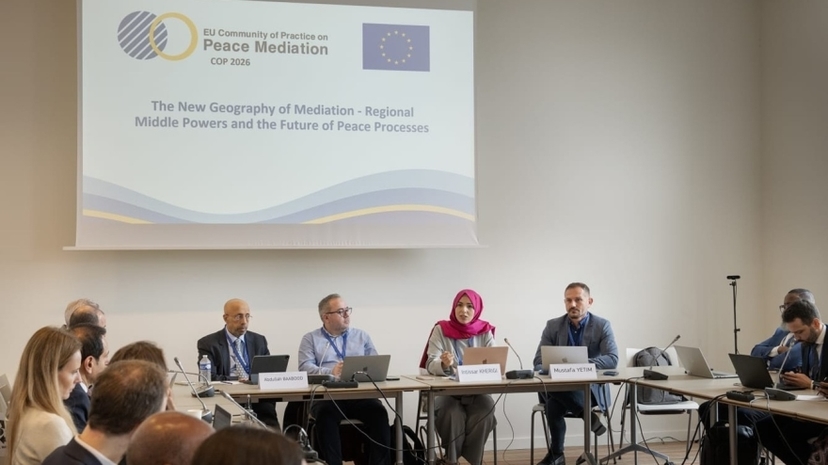
The Center for Gulf Studies and Global Policy (GSGP) participated in the EU Community of Practice on Peace Mediation 2026 in Brussels
Center for Gulf Studies and Global Policy Hosts “Trialogue 2026”
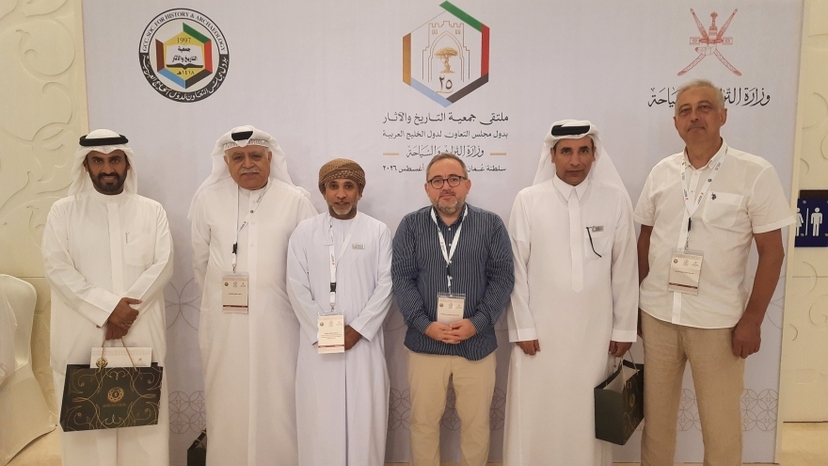
A Representative Team from Our Center for Gulf Studies and Global Policy (GSGP) Participates in the Gulf Historians and Archaeologists Conference Held in Oman
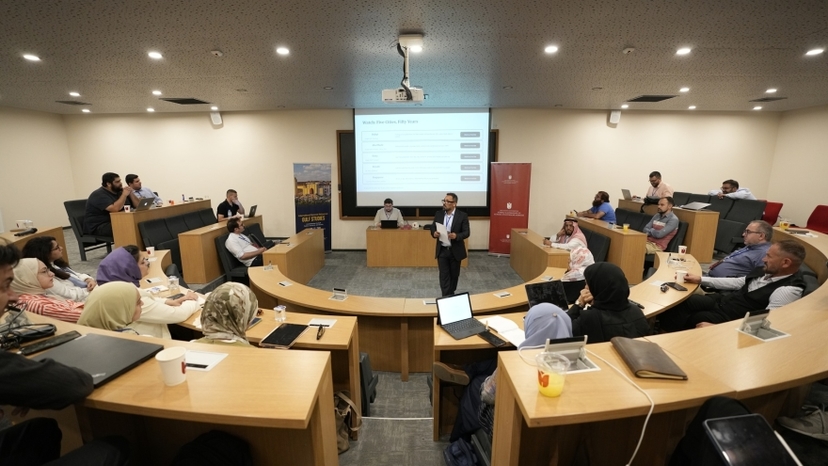
The International Summer School on Gulf Studies the First Event of Its Kind in Türkiye Was Held at Our University
“War in the Gulf and Iran: From Regional Conflict to Global Crisis” Panel Held