Islam and the Making of the Modern West: The Untold Story
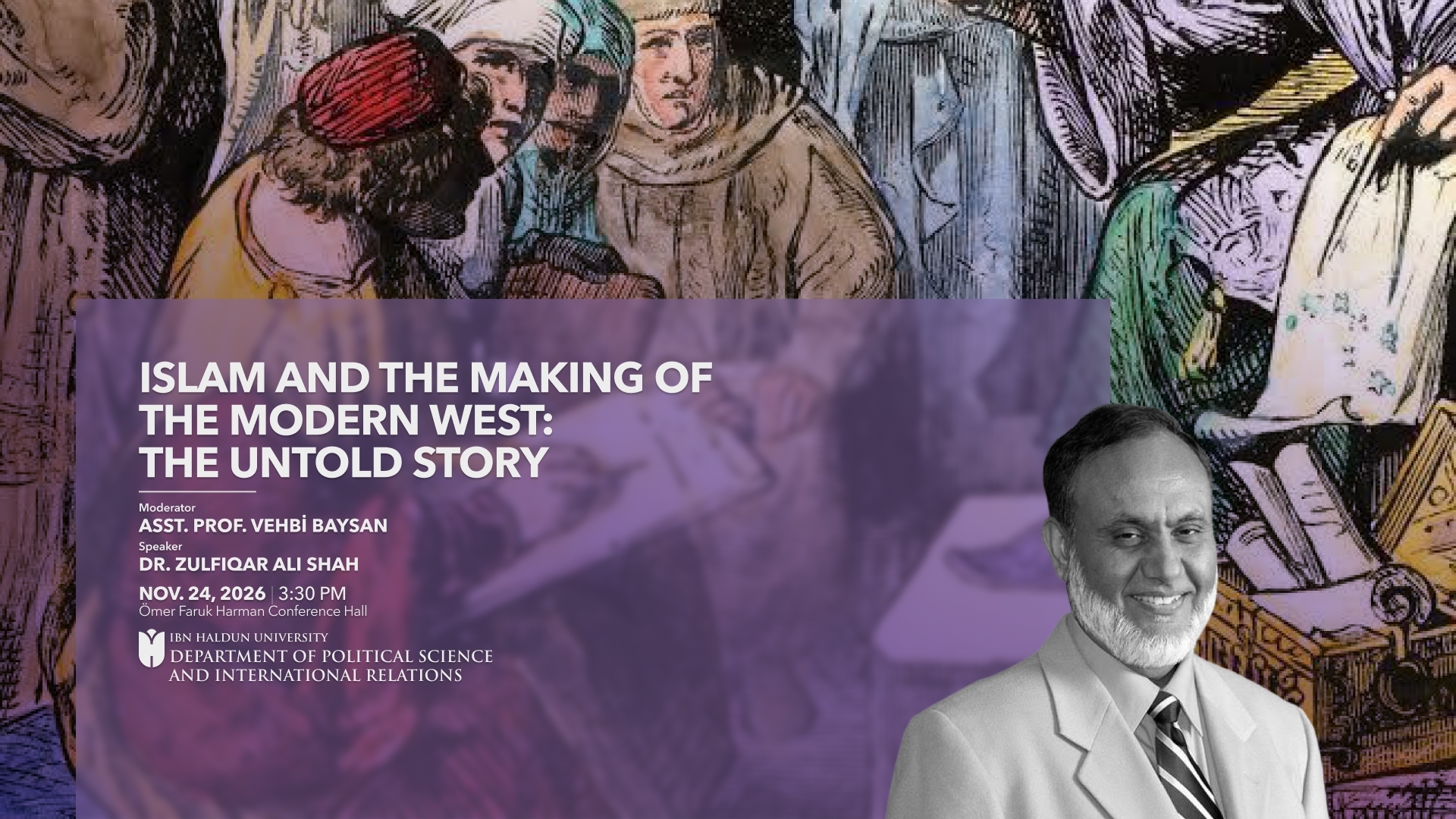
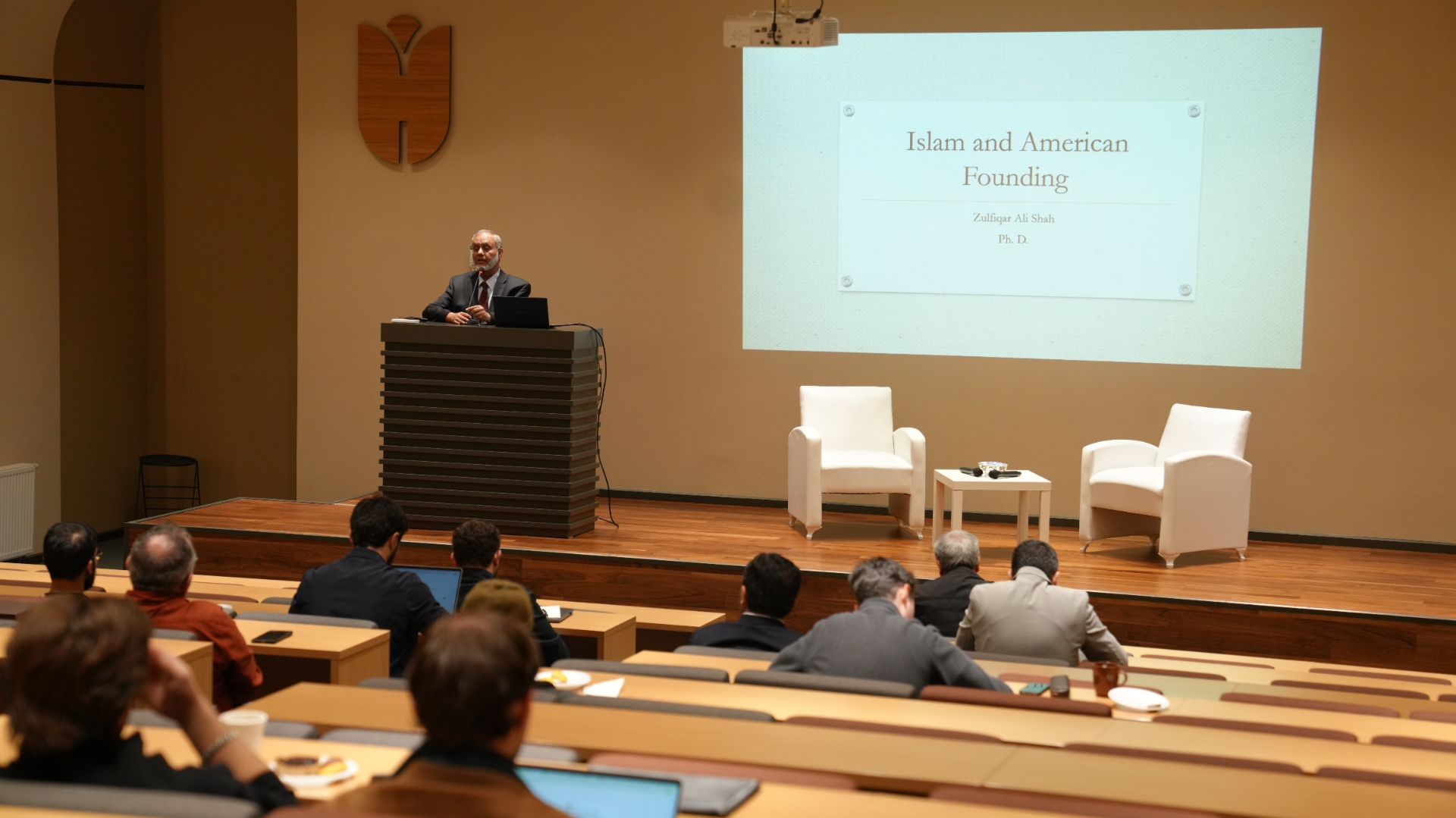
Speaking at an event organized by the Department of Political Science and International Relations, Dr. Zulfiqar Ali Shah challenged the common narrative that the modern West emerged solely from Protestant Christianity and Enlightenment thought. He argued that many ideas, from strict monotheism to religious tolerance, passed from the Islamic world to the West, but that this legacy has been forgotten.
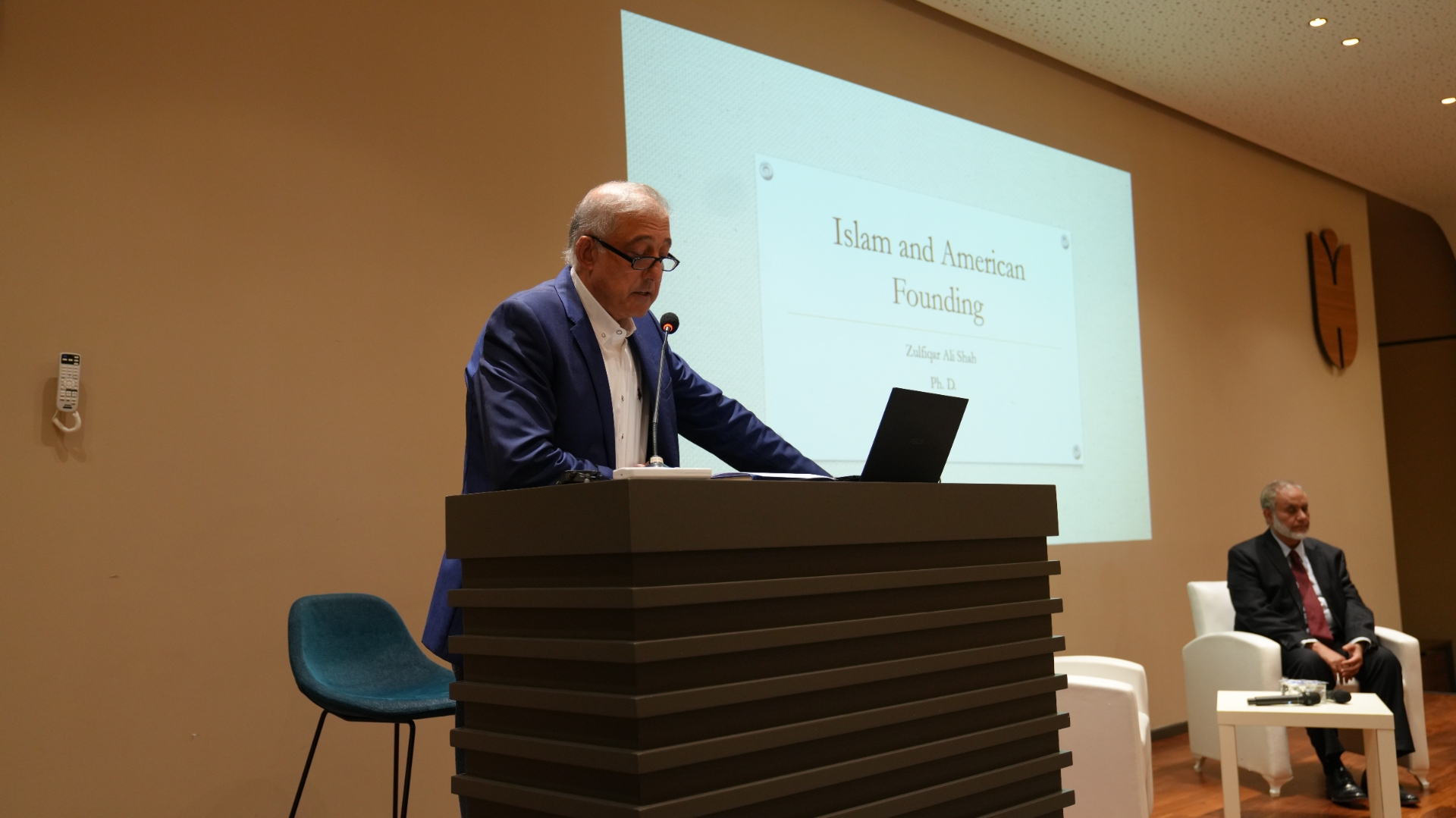
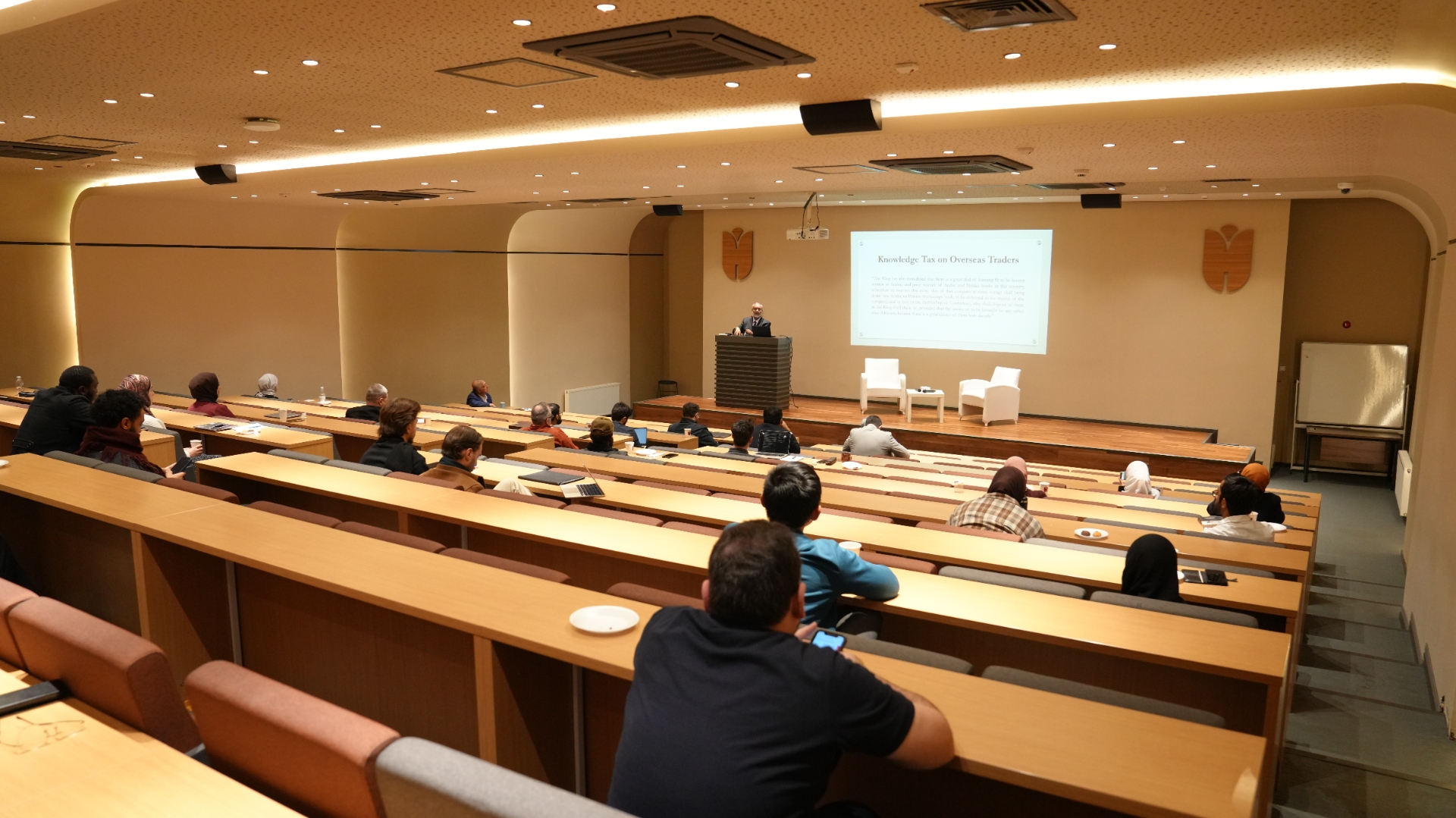
The Department of Political Science and International Relations at Ibn Haldun University hosted Dr. Zulfiqar Ali Shah, a scholar of comparative religion and theology. The event, "Islam and the Making of the Modern West: The Untold Story," was held on 24 November 2026 at the Ömer Faruk Harman Conference Hall and moderated by Asst. Prof. Vehbi Baysan.
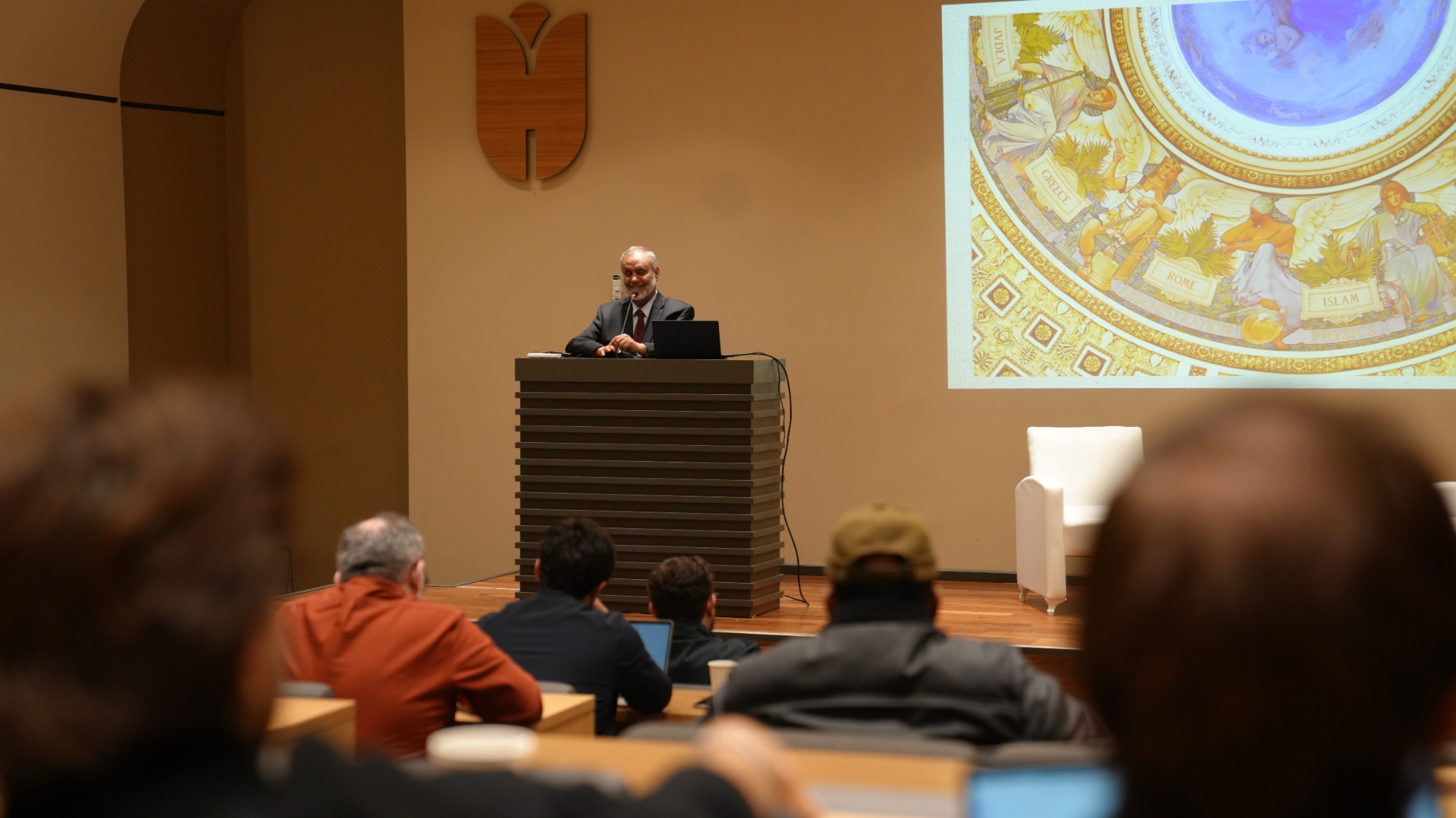
Shah opened by noting that the birth of Europe and the United States is typically narrated as a story shaped by Protestant Christianity, Enlightenment philosophy and Anglo-European political experience. He pointed out that the dome of the Library of Congress and the lawgiver reliefs in the US Capitol feature Islamic civilization and figures such as Suleiman the Magnificent, hinting at a story missing from that narrative.
Shah noted that early seventeenth-century England was a small country of around three million people, torn by internal strife, while the Mughal Empire alone had a population of 150 million. He described how the English crown required trading ships returning from the East to bring back an Arabic or Persian manuscript on every voyage, and how these works, collected in the libraries of Oxford and Cambridge, nourished English thought. He gave examples ranging from Avicenna's medical works to astronomical manuscripts and coffeehouse culture.
At the heart of the talk was the influence of Islamic monotheism on debates about reform within Christianity. Shah stressed that Unitarians, who rejected the Trinity, were accused by their opponents of being "Turks," that is, Muslims. He recalled that critics charged John Locke with "Mahometanizing" Christianity and with holding "the faith of a Turk." He also described the Unitarians' letter to the Moroccan ambassador in 1682, in which they presented themselves as closer to Islamic monotheism than to Trinitarian Christianity and as opponents of the Trinity, priestcraft and religious coercion. He cited John Toland's "Nazarenus" as another example of this exchange.
The message Shah emphasized throughout was clear: many ideas the modern West now regards as its own, such as strict monotheism, religious tolerance and the rejection of clerical authority, were taken from the Islamic world. He argued that this legacy has been forgotten, and that Muslims should recognize that these ideas come from their own tradition.
Shah's book bringing together his work in this field, "Kutsalın Dönüşümü: Hristiyanlığın İslâmî Reformu" (Islam's Reformation of Christianity), has recently been published in Turkish by Ibn Haldun University Press. The event concluded with a question-and-answer session.
Photos
Related Content
Center for Gulf Studies and Global Policy Takes Part in Forum in Iraq
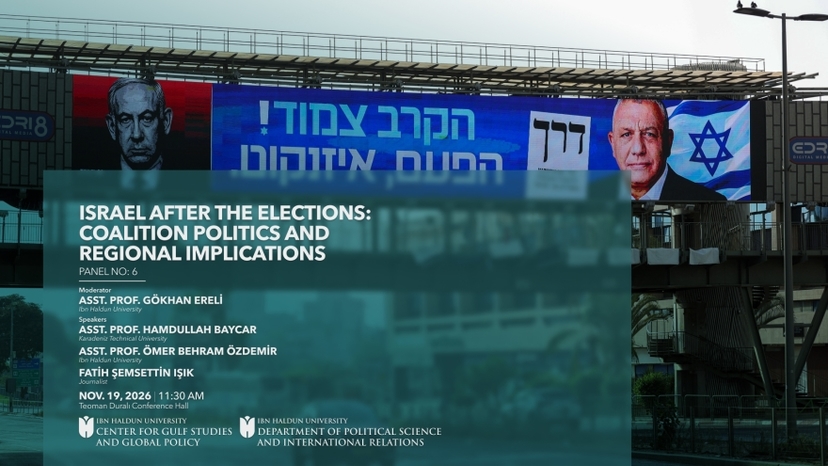
Israel’s Elections and Their Regional Implications Discussed
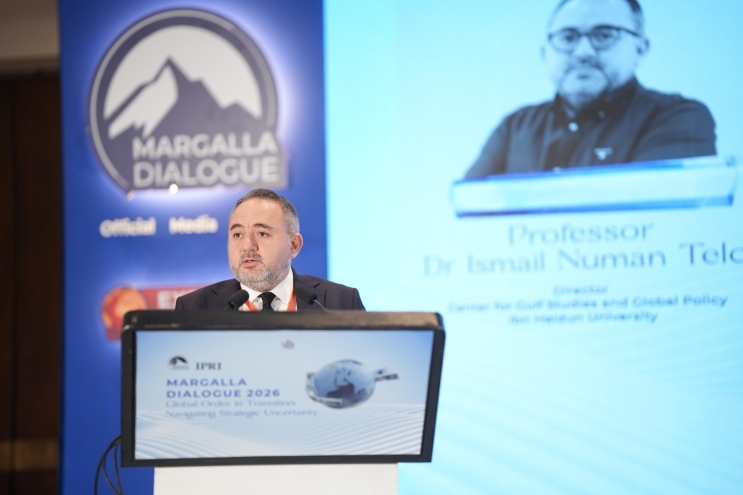
Prof. Dr. İsmail Numan Telci Represented Türkiye at the Margalla Dialogue, One of Pakistan’s Prominent Forums
Opinion: Mecca Defence Alliance: The Making of Order or the Preparation for Disorder?

Gulf Horizons: Lebanon within the Gulf Migration System: Peripheral Incorporation and the Limits of Labor Migration Governance Alignment
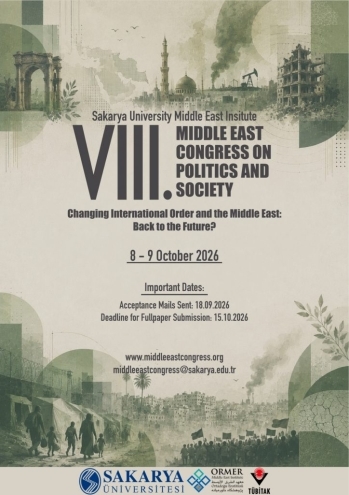
Congress: Our Center (GSGP) Participated in the 8th Middle East Congress on Politics and Society
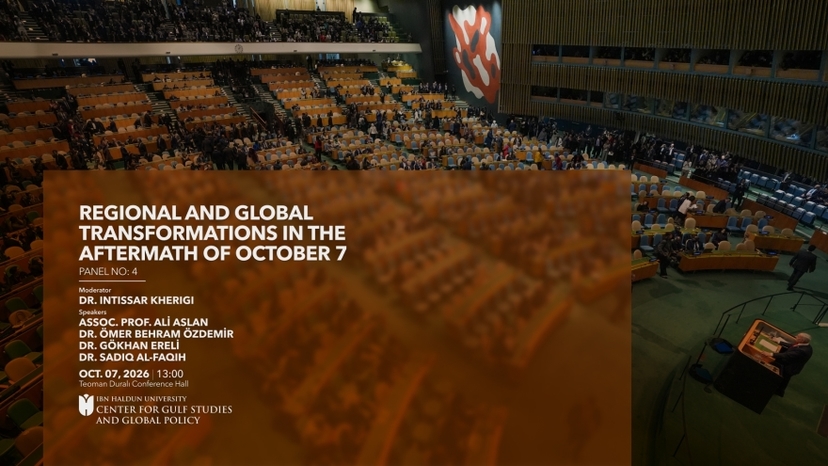
Panel: Regional and Global Transformations in the Aftermath of October 7

GSGP's Summer 2026 Publications